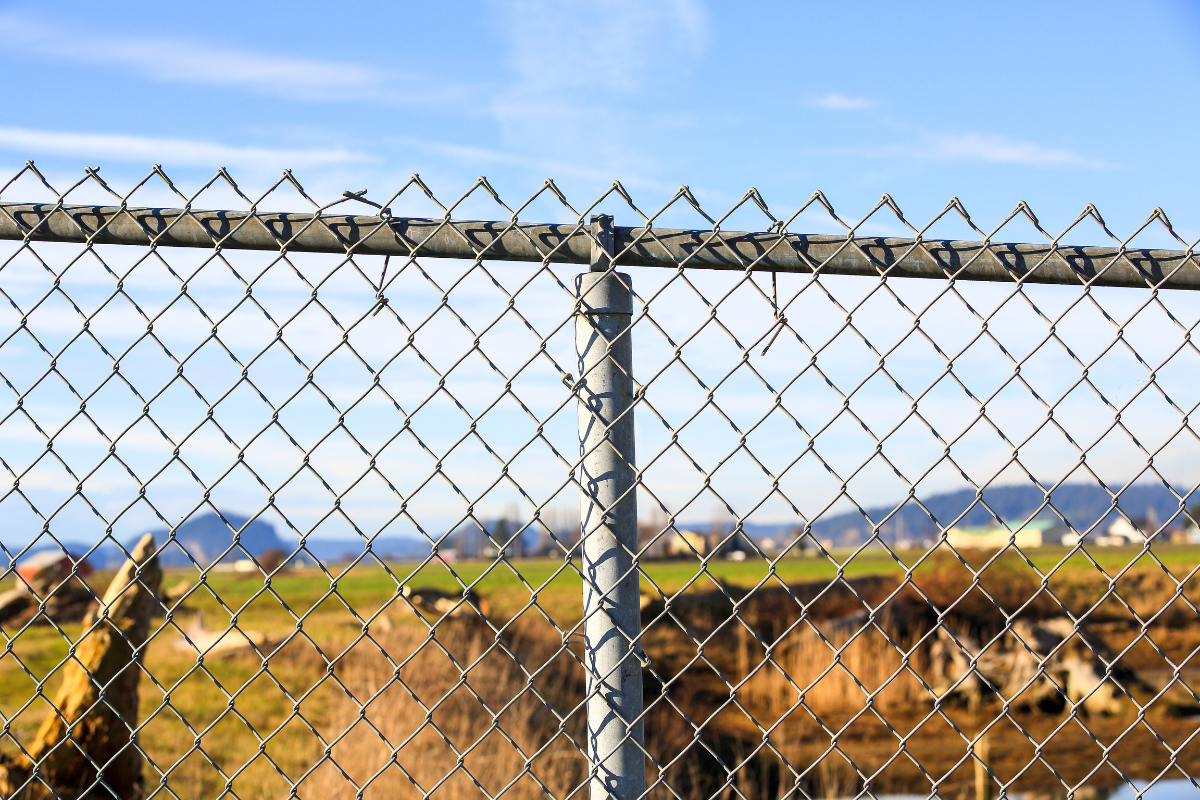
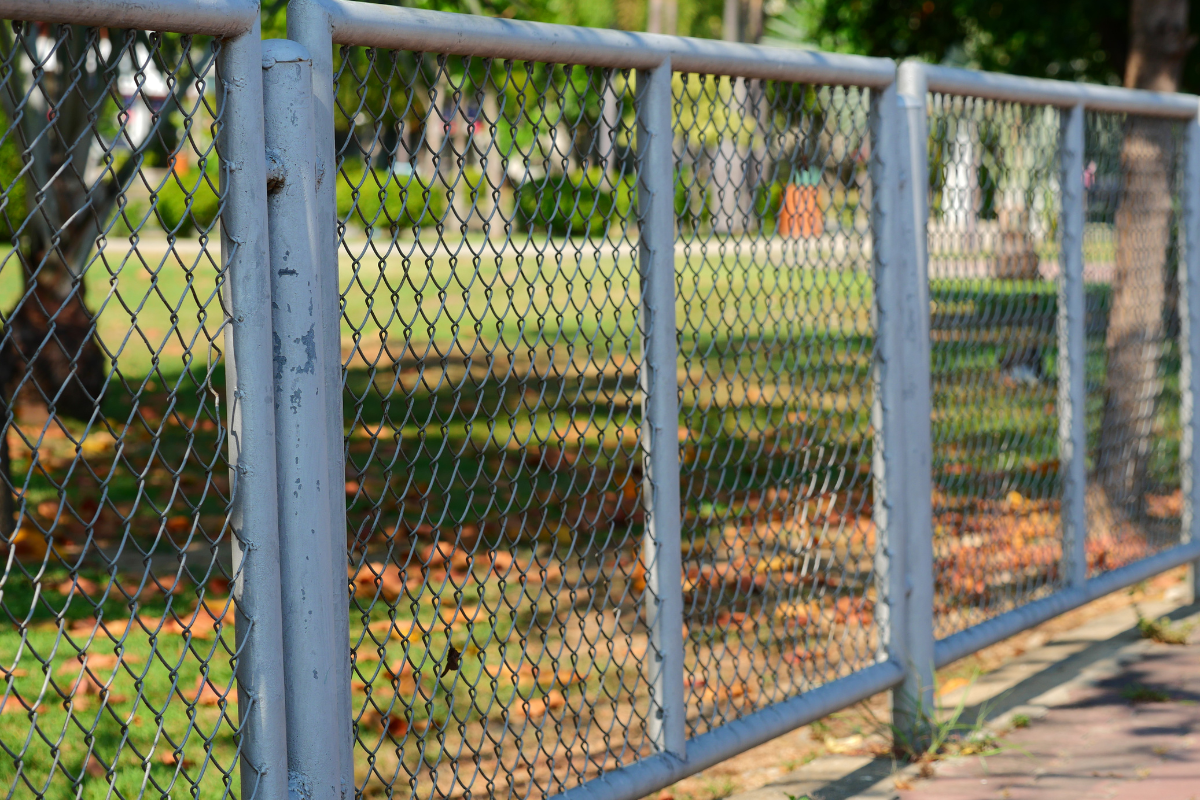
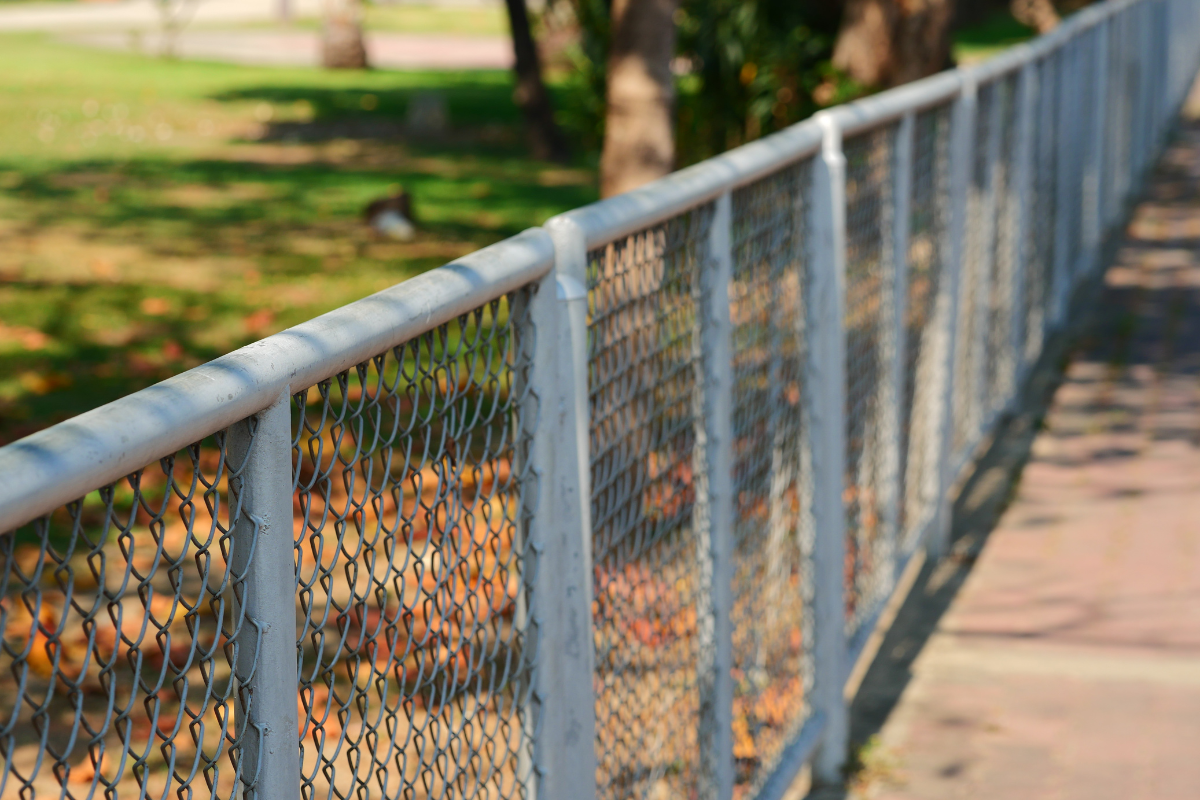
Public projects carry a different kind of weight. They protect people, equipment, property, and sometimes critical infrastructure. The communities around them expect results that hold up to scrutiny, weather, and budget audits. When the scope involves chain link fencing for a park boundary, a water treatment plant, a transit yard, or a temporary secure https://lorenzoshkb285.lowescouponn.com/high-quality-materials-from-a-trusted-chain-link-fence-company perimeter around a public event, the contractor’s job is not just to set posts and stretch fabric. It is to navigate procurement, codes, security standards, site conditions, union requirements, and a schedule that often has zero room for slippage. That is where an experienced chain link fence contractor earns their keep.
This guide draws on field lessons and agency norms to help owners, engineers, facility managers, and procurement teams understand what goes into chain link fence installation and long-term maintenance for government and municipal projects, and how to choose a chain link fence company that can deliver without surprises.
Why agencies lean on chain link fencing
Chain link fencing, at its best, blends durability, transparency, and value. It is the default perimeter for many public-facing sites because it is easy to inspect and hard to hide behind, which matters for patrols and cameras. It can be scaled for risk, from 4-foot park enclosures to 12-foot high-security perimeters with barbed or concertina wire. The components are standardized and widely available, which reduces lead times and simplifies chain link fence repair. And when a project spans multiple locations, a consistent system cuts engineering and maintenance overhead.
There are trade-offs. Chain link looks utilitarian, which can clash with civic design goals near historic districts or high-visibility corridors. It can be climbed, unless designed with anti-scale features. And coastal or industrial environments can chew through mediocre coatings. The right chain link fence contractor, however, knows how to tune fabric gauge, coatings, framework, and accessories to meet the performance profile without stretching the budget.
What distinguishes municipal-grade chain link systems
The difference between a bargain install and a municipal-grade system reveals itself over years, not weeks. Agencies that maintain miles of fencing pay most attention to four areas: corrosion resistance, framework strength, foundations, and gates.
Corrosion resistance is where many projects go wrong. Galvanized chain link fabric is only a starting point. For inland, low-corrosion environments with standard property protection needs, galvanized after weaving (GAW) fabric with a minimum 1.2 oz/ft² zinc coating is typical. In coastal or de-icing salt zones, specifying or allowing PVC-coated fabric over a heavier GAW core, or aluminized fabric, pushes service life from 10 to 20-plus years. Tension wire, ties, and fittings need equivalent coatings or they will become the weak link. Experienced contractors know which ASTM standards to reference for each element so the spec is enforceable during submittals.
Framework strength matters for wind, security, and gate functionality. Light residential pipe looks the same in photos as schedule 40 steel until a winter storm bows it or a delivery truck brushes against a post. Public sites usually see heavier traffic and aren’t watched continuously. That calls for uprated line posts, terminal posts, and bracing that match height and wind exposure. For 8-foot fences with privacy slats, wind loading increases dramatically, and the post schedule should reflect that. A seasoned chain link fence company will run basic wind calculations or apply proven local standards to prevent deflection and fabric tearing.
Foundations keep everything upright. Post embedment is not just a depth note. Soil type, frost line, and drainage govern whether you need belled footings, deeper augers, or a base drain in fine clays. In regions with frost heave, a post set too shallow will walk itself loose within two winters, and a gate that swings true in September will drag by February. Municipal contractors invest in proper drilling equipment and keep boring logs or photos for inspection, which shortens punch lists and reduces warranty claims.
Gates are the moving parts that turn problems into phone calls. Sliding cantilever gates, double-swing gates, and panic egress gates each have details that matter. Clear opening widths must match the largest apparatus, like a hook-and-ladder or a tandem-axle truck visiting the wastewater plant. Hinges, latches, and operators need to be rated for duty cycles and exposure. The best chain link fence installation crews test the full gate operation under wind load and with the chosen access control hardware installed, not in a vacuum on a shop floor.
Procurement realities and how to navigate them
Public procurement adds its own rules to any construction task. Low-bid mandates compete with performance goals. A successful chain link fence contractor knows how to bid competitively without shaving the wrong corners, and how to translate agency intent into enforceable language.
Most municipalities rely on one of three pathways: design-bid-build with a detailed spec, job order contracting for quick-turn maintenance, or cooperative purchasing to leverage pre-competed pricing. Each pathway sets different expectations for submittals, scheduling, and change management. In design-bid-build, specificity is your friend. If the spec calls for “commercial duty,” define fabric gauge, wire coating, post schedule, and hardware models. In job order frameworks, standard task catalogs may understate site preparation or restoration costs. Clarify how rock excavation, asphalt cuts, or security escorts will be handled. Cooperative contracts can speed procurement, but agencies still need to check local statutes and ensure the chosen chain link fence services align with the scope.
Prevailing wage, certified payroll, and small business or minority participation goals add a layer of compliance that not every fence installer can absorb. Ask for examples of successfully closed-out public jobs with clean audits. A contractor that treats paperwork with the same seriousness as post plumbness will save the agency hours.
Security levels and features, matched to risk
Not every public fence needs razor wire. On the other hand, leaving a pump station with a 6-foot chain link and a simple padlock invites tampering. Think in tiers, not absolutes, and let the site’s risk profile drive features.
Low-risk, high-visibility sites, like community parks or trailheads, benefit from transparent chain link with smooth finishes and designed sightlines for patrols. Anti-climb measures may be limited to height and proper top rail attachment. If privacy is desired near residences, slats or architectural screens can soften views while keeping the chain link structure underneath.
Medium-risk sites, such as public works yards, transit parking, or schools, often adopt 7 or 8-foot fences with bottom tension wire, heavier frameworks, and controlled gate entries. Privacy slats can deter casual snooping but increase wind load, so the post schedule must be upgraded. Hardware should resist prying and cutting, meaning hardened chain shrouds, internal latches, and security-rated padlocks or electric strikes.
High-risk sites, including water treatment, telecom nodes, or critical substations, require more. Height rises to 8 to 12 feet. Add outriggers with barbed wire or a top with pressed spear pickets when a hybrid design is permitted. Mesh can tighten to 3/8 inch for anti-cut performance, and foundations deepen. Where agencies adopt federal guidelines, such as certain DHS or FERC-aligned recommendations, the chain link fence contractor must map project details to the guidance without bidding proprietary overkill.
A word on aesthetics in security contexts: painted framework and black or green PVC-coated chain link can reduce visual impact and discourage graffiti. It costs more upfront but can lower maintenance on urban corridors. Some agencies write this into corridor standards to avoid a patchwork look.
Site conditions that complicate otherwise simple jobs
The phrase “fence this area” hides plenty of field challenges. Contractors who specialize in municipal work have a muscle memory for the oddities that slow crews and inflate change orders.
Rock and fill soils change the foundation plan. On old industrial sites, there may be slag, rubble, or unexpected utilities near the surface. A crew might drill three posts in clean loam and then seize a bit on the fourth hole because of a buried concrete block. Budgeting for a rock clause with unit prices and keeping a skid steer with a hydraulic breaker on standby can mean the difference between meeting the schedule and losing a week.
Uneven grades demand stepped or racked installation. Stepping is quick but leaves triangular gaps if the grade change is aggressive. Racking follows the slope and looks cleaner, but fabric tensioning and rail alignment take more finesse. In parks where small pets and children wander near fences, bottom gaps become a safety issue. The best installers carry a small kit of infill fabric, hog rings, and bottom rails to close up problem areas without improvisation.
Shared boundaries bring neighbor politics into public projects. A city replacing a failing fence behind houses may find encroachments, sheds, or plantings hugging the line. Survey control and respectful communication matter. Many agencies keep a standard letter and pre-marking protocol to avoid arguments after posts go in.
Utilities are everywhere. Not just the marked gas, electric, water, and telecom, but unmarked irrigation and private lines. Calling in locates is the baseline. Skilled foremen still hand dig in suspect areas and watch for telltale soil changes. A chain link fence repair called in because of a cut fiber line is the bad kind of repeat business.
Chain link fence installation, without the guesswork
A clean install follows a sequence that looks simple on paper, then demands craft in the field. Layout starts with survey control and offsets. At public sites, stakeholders may walk the line to approve tree clearances or sightlines before any digging happens. Clearing and grubbing should balance access with environmental rules. Crews document any tree root pruning and protect trunks near auger paths.
Augering and setting posts call for consistent holes and thoughtful spoils management. Concrete mix, water ratio, and set depth need monitoring, not casual estimation. Quick-set mixes can speed schedules, but cold weather demands blankets or additives to hit strength before tensioning. Anchoring terminal posts and bracing before the concrete cures prevents micro-movements that only reveal themselves when fabric is stretched.
Fabric installation and tensioning is where experience shows. Fabric should be plumb and evenly stretched, with knuckles set properly at the top when required. Tension bars seat inside fittings with uniform tie spacing. Corners deserve extra attention to avoid puckering. Where bottom tension wire is specified, a tight run with uniform hog ring spacing keeps the fence from ballooning under pressure.
Gates culminate the work. Frames should be square, diagonal braced, and hung on hinges that carry the weight without binding. Operators must be set to the correct travel speed and limits, with photo-eyes and safety edges tested with a witness from the agency or third-party inspector. A dry checklist avoids lots of finger pointing later.
Access control, electrics, and coordination with other trades
Many public sites layer access control onto chain link systems. Card readers, radio remotes for fleet, keypads for after-hours crews, and intercoms at visitor entries all tie into a gate operator. The fencing contractor becomes a coordinator who works with the security integrator, electrician, and sometimes IT to ensure conduit stubs, voltage, and device mounting line up with the physical gate.
The order of operations matters. Conduit should be in place before slabs are poured and before the gate pad is formed. Loop detectors require saw cuts or pre-pour placement with correct spacing. Readers need posts, bollards, or pedestals set at consistent heights for trucks and passenger vehicles. A contractor who has done this repeatedly will bring standard details and mock-ups that prevent last-minute improvisation.
If solar operators are considered for remote sites, battery capacity in cold climates and panel orientation become design questions. A cheap panel that cannot keep up in winter will strand a gate open at the worst time. Suppliers publish duty cycles, but field conditions reduce them. A conservative sizing strategy is worth the small premium.
Maintenance planning: making the fence last
Municipal budgets prefer predictable maintenance over emergency replacements. Chain link fencing rewards light, regular care. An annual walk of each perimeter, logged with simple notes and photos, catches loosened ties, minor rust blooms, and gate sag before bigger failures. Where crews have a job order contract in place, small chain link fence repair tasks can be batched quarterly to save mobilization costs.
Vegetation control is not optional. Vines can pull fabric out of true and trap moisture. Roots shift posts. Mower damage near bottom rails is common and easy to avoid with a narrow mulch strip or a mow curb. In snowy regions, plows can bend gate cantilevers if clearance is tight. Painting a caution stripe on the pavement and training operators helps.
Coating touch-ups extend life. Galvanized surfaces that get scratched will often self-heal to a point, but larger abrasions deserve a zinc-rich paint. PVC-coated fabric benefits from quick patching to prevent UV from attacking the underlying wire where the jacket is breached. Agencies that standardize color and product make it easier for field crews to stock and apply the right materials.
Gate operators need scheduled service. Batteries in solar or UPS-backed systems have finite lives. Chains need lubrication, tension checks, and safety device tests. Many agencies write a semiannual checklist into their O&M manuals and tie it to the fence contractor’s warranty obligations for the first year.
Case patterns and realistic timelines
A few common project types illustrate what to expect.
A park perimeter replacement of 1,200 linear feet at 6 feet high with two 12-foot double-swing vehicle gates and several pedestrian gates typically spans two to three weeks of field work once materials are on site. The critical path is usually demolition, footing cure time, and restoration. If privacy slats are included, add a few extra days for installation and wind load adjustments.
A water facility hardening with an 8-foot fence, three controlled slide gates, barbed wire outriggers, and access control can run six to eight weeks including coordination with the security integrator and electrical team. Lead times for operators and specialized hardware may push scheduling. Planning the submittals early avoids idle days.
A school district service yard that needs quick repairs and partial replacements across multiple campuses benefits from a task-order approach. Crews can address 200 to 400 linear feet per day of straightforward replacement, less where grades are difficult or utilities are dense. Keeping a rolling materials stock prevents the job from stopping when a terminal cap or clasp is missing.
When chain link is not the full answer
Sometimes a chain link system is part of a hybrid solution. Noise-sensitive corridors near residential areas may need a solid barrier for acoustics, with chain link segments at drive entries to maintain visibility. Decorative steel near a civic building can transition to chain link at the back-of-house where budgets tighten. A thoughtful chain link fence contractor does not treat alternatives as threats. They help the owner weigh total cost, maintenance, and the visual story along the corridor.
In high vandalism zones, welded wire panels with tamper-resistant fasteners can outperform standard chain link while still allowing visibility. These systems are pricier per foot but may save in reduced repairs. In extreme coastal spray zones, aluminum framework with PVC-coated fabric and stainless hardware might pencil out over 20 years, even if the upfront cost stings. The right choice depends on lifecycle math, not only purchase price.
What to look for in a public-sector chain link fence contractor
Choosing the right chain link fence contractor is a risk decision as much as a cost decision. A few markers consistently correlate with successful outcomes:
- Demonstrated municipal experience with references from similar sites, including contact names and final contract amounts. Clear submittal packages that cite ASTM standards for fabric, framework, coatings, and hardware, plus shop drawings for gates and operators. Safety record with EMR and OSHA logs, and a site-specific safety plan that accounts for public interfaces and traffic control. Capacity and supervision, specifically named foremen and the crews that will actually be on your job, not a promise to “staff appropriately.” Warranty terms and a maintenance plan that includes response times for chain link fence repair and operator service.
That list is short for a reason. Longer checklists get ignored. These five points will tell you more about a chain link fence company than any glossy brochure.
Budget truths: where the money goes
On a typical municipal chain link project, materials and labor split the cost roughly evenly, with swings based on site difficulty and hardware complexity. Fabric and framework might account for 35 to 45 percent, gates and operators 15 to 25 percent, and labor, equipment, and mobilization the rest. Add 5 to 10 percent for restoration and traffic control when work happens along active streets or sidewalks.
Privacy slats can add 20 to 40 percent to the fence lineal cost and increase the framework requirement, so they cascade. Barbed wire outriggers are relatively cheap to add but bring political optics, especially near schools or parks. PVC coatings cost more upfront but make sense where corrosion is aggressive or where color coordination matters.
Owners sometimes ask about salvage of existing posts to save cost. Reuse is possible when posts are straight, coatings intact, and set correctly. In practice, the labor to adapt old layouts to new gates or to correct embedment often erases the savings. It is worth evaluating but should not be assumed.
Documentation and closeout that hold up
Public closeouts are meticulous because they protect both sides. Expect to receive as-builts that reflect any alignment changes, gate clear widths, operator model numbers, and control wiring diagrams. Warranties should be specific about what is covered and for how long. One to two years on workmanship is common, with manufacturer warranties on coatings and operators longer.
Training is not a formality. The facilities team that inherits the gate needs a walk-through on manual releases, basic troubleshooting, and maintenance intervals. A good chain link fence contractor creates a quick-reference sheet with model numbers, service contacts, and parts lists. When a winter storm knocks out power, the person on site will reach for that sheet, not a binder in a locked office.
A note on sustainability and disposal
Chain link systems can be responsible choices when a project looks through a sustainability lens. Steel and aluminum components are highly recyclable. During demolition, segregating metals from concrete footings is straightforward when planned. Recycled content in new framework is common, and many mills publish EPDs. PVC-coated fabric raises questions about end-of-life handling, but many municipalities accept it with metal extraction processes.
Vegetation management choices matter as much as the fence regarding environmental impact. Mulch strips that reduce herbicide use and smart irrigation placements that avoid constant wetting of the fence line extend life and reduce runoff issues. These small details add up across miles of public fencing.
Bringing it together on your next project
For government and municipal projects, chain link fencing succeeds when the contractor blends field craft with paperwork discipline. The installation itself relies on the basics done well: solid foundations, true lines, evenly tensioned fabric, and gates that swing or slide without drama. The surroundings make it a public job: pedestrians nearby, inspectors with clipboards, prevailing wages, security rules, and neighbors with opinions.
If you are scoping a new perimeter or planning a program of chain link fence repairs across facilities, get the contractor involved early. Ask for a site walk and invite candid feedback on the spec. Press for details on coatings and framework, and ask how wind and grade will be addressed. If access control is part of the plan, bring the security integrator to the same table. Small coordination moves at the start can save weeks later.
Chain link fencing is not glamorous, but it is a backbone asset for public agencies. Built right, it fades into the background and does its job for decades. Built poorly, it becomes a maintenance line item that never goes away. Choose a chain link fence company that respects the difference.
Southern Prestige
Address: 120 Mardi Gras Rd, Carencro, LA 70520
Phone: (337) 322-4261
Website: https://www.southernprestigefence.com/